
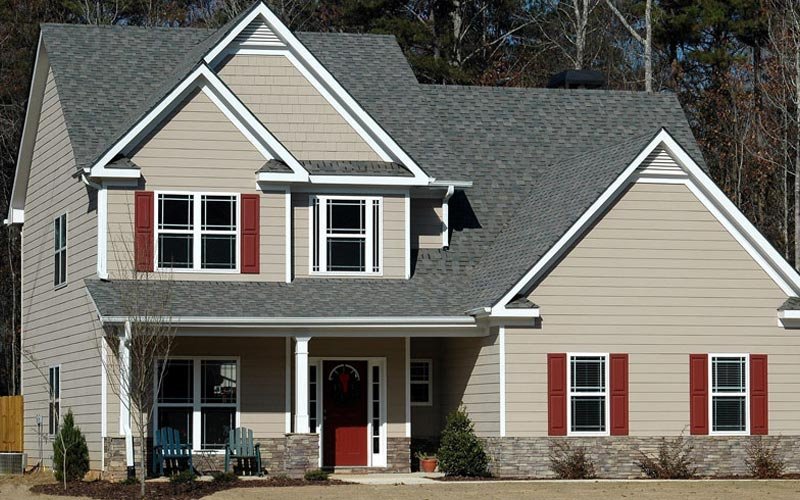
Complete Guide to Structural Glazing, ACP, Cladding & Façade Engineering for Modern Buildings
Modern architecture is defined by innovation, efficiency, and aesthetic excellence—and the façade of a building plays a vital role in achieving all three. Today, façade engineering is not just about external appearance; it involves strategic planning, high-performance materials, thermal efficiency, and long-term durability.
Structural glazing, ACP panels, laminate cladding, stone cladding, and other façade systems shape the character and functionality of contemporary buildings. This guide will help architects, developers, designers, and contractors understand the most essential façade solutions used in modern construction.
What Is Façade Engineering?
Façade engineering is the science and art of designing, constructing, and optimizing the outer layer of a building. A modern façade must:
-
Protect the structure from weather
-
Provide insulation and energy efficiency
-
Enhance aesthetics and identity
-
Support natural lighting and ventilation
-
Ensure safety and durability
Today’s façade systems combine advanced materials, engineering precision, and creative design to offer strong, sustainable, and visually impressive buildings.
1. Structural Glazing – The Future of Glass Architecture
Structural glazing is one of the most popular façade systems in modern architecture. It uses high-performance glass bonded to aluminium frames with silicone sealant, creating a smooth, frameless glass appearance.
Types of Structural Glazing
-
Semi-Unitized Systems
-
Fully Unitized Systems
Benefits of Structural Glazing
-
Seamless and premium aesthetic
-
Superior heat and sound insulation
-
Excellent weather resistance
-
Ideal for high-rise commercial and corporate buildings
It is widely used in IT parks, malls, airports, corporate buildings, and institutional projects where modern aesthetics and performance are a top priority.
2. ACP Cladding – Lightweight, Flexible & Cost-Effective
ACP (Aluminium Composite Panel) cladding is a versatile and popular choice for modern buildings due to its lightweight design and wide variety of finishes.
Why ACP Cladding Is Popular
-
Easy to install and maintain
-
Available in metallic, wooden, marble, mirror, and textured finishes
-
Provides thermal and sound insulation
-
Resistant to UV, moisture, and corrosion
ACP is used in commercial buildings, showrooms, retail stores, petrol pumps, educational institutions, and high-end residential façades.
3. Compact Laminate Cladding – Strong, Durable & Stylish
Compact laminate cladding is known for its extreme durability and high resistance to weather, moisture, and impact. It is ideal for long-term external and internal cladding applications.
Key Features
-
Fire-resistant
-
UV-resistant and fade-proof
-
High structural strength
-
Available in multiple colors and patterns
This makes it suitable for hospitals, corporate buildings, schools, public structures, and premium architectural designs.
4. Stone Cladding – Natural Beauty Meets Durability
Stone cladding delivers a premium, elegant appearance with the natural beauty of stone combined with modern fixing techniques.
Advantages of Stone Cladding
-
Very durable and weatherproof
-
Luxurious and timeless appearance
-
Strong mechanical fixing systems
-
Suitable for both interior and exterior applications
Common materials include granite, marble, sandstone, limestone, and slate.
5. Frameless Glass Façades – Minimalistic & Modern
Frameless glass façades provide maximum transparency and a clean, uninterrupted view. They are widely used in showrooms, corporate offices, and premium modern buildings.
Benefits
-
Enhances natural light
-
Offers a premium modern look
-
Uses concealed supports for a seamless finish
-
Highly customizable
6. Spider Glazing – Ideal for Large Glass Installations
Spider glazing uses stainless steel spider fittings to hold glass panels without visible frames, making it ideal for large entrances and open-view designs.
Where It’s Used
-
Mall atriums
-
Airports
-
Hotel lobbies
-
Commercial entrances
Why It’s Effective
-
Strong and flexible
-
Excellent load distribution
-
Sleek and contemporary appearance
7. Aluminium & UPVC Doors and Windows – Efficient & Long Lasting
Modern façades often include high-performance aluminium and UPVC door-window systems.
Advantages
-
Excellent thermal and sound insulation
-
Weather-resistant
-
Low maintenance
-
Multiple design options (sliding, casement, tilt-turn, fixed)
They improve building efficiency and enhance overall façade design.
8. Glass & ACP Canopies – Functional & Stylish
Glass and ACP canopies are widely used for building entrances, walkways, and storefronts.
Features
-
Provides shade and weather protection
-
Adds a stylish architectural element
-
Engineered for safety and load-bearing strength
9. Stainless Steel & Glass Railings – Safe & Modern
Modern buildings use stainless steel and glass railings for balconies, staircases, terraces, and interior designs.
Benefits
-
Corrosion-resistant
-
Modern appearance
-
High structural strength
SS 304 and SS 316 grades ensure long-lasting performance.
Why Modern Façade Systems Matter
Modern façade solutions improve:
✔ Energy efficiency
✔ Structural performance
✔ Building durability
✔ Aesthetic value
✔ Weather resistance
✔ Long-term cost savings
Choosing the right façade can significantly impact the building’s comfort, safety, and overall visual appeal.
Conclusion
Structural glazing, ACP panels, laminate cladding, stone cladding, and other modern façade systems play a major role in shaping contemporary architecture. By integrating these materials and engineering techniques, architects can create buildings that are not only visually impressive but also energy-efficient, durable, and future-ready.
Whether you are designing a commercial complex, residential project, or institutional facility, understanding façade technologies is essential for making informed decisions that enhance performance and aesthetics.
No comments yet. Be the first to comment!